Cashew De-Oiled Cake
Report issued: 6 January 2025
- Gross calorific value (GCV)
- 4,492 kcal/kg
- Moisture
- 7.96% by mass
- Ash
- 1.90% by mass
QA Testing Laboratories Pvt. Ltd. · Report QAL/CM/250104009241
Explore the biomass fuel options listed by Dhruv Bio Energy. Fuel selection depends on your boiler, feeding system, process conditions and plant location.
Enquire about biomass fuel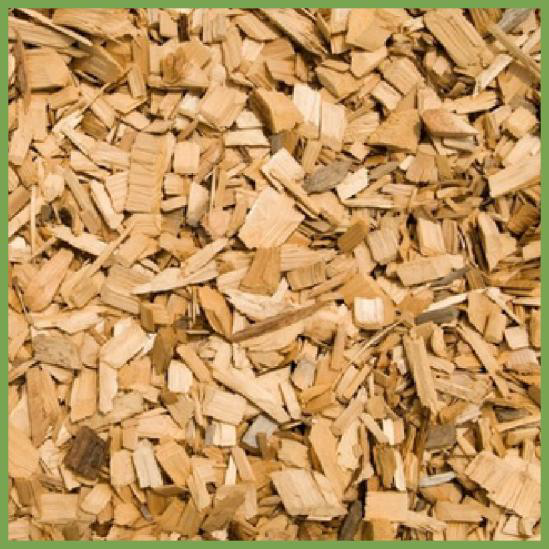
Compare the available specifications, then review each fuel below. The right choice depends on your boiler, feeding system, fuel quality and delivery location.
| Biomass fuel | Calorific value | Moisture | Listed size | Ash content |
|---|---|---|---|---|
| Mustard briquettesView fuel details | Approx. 3,200 ± 200 kcal/kg | Below 10% | 70 / 90 mm | Request current specification |
| Sawdust briquettesView fuel details | See briquette sample result below | Confirm current batch | 70 / 90 mm | See sample result below |
| Biomass pelletsView fuel details | Request current specification | Request current specification | 6–16 mm | Request current specification |
| Rice Husk PelletsView fuel details | Request current batch specification | Request current batch specification | Request current batch specification | Request current batch specification |
| Rice HuskView fuel details | 3,000–3,500 kcal/kg | 8–12% | Loose / As Received | 15–22% |
| Cashew De-Oiled CakeView fuel details | GCV: 4,492 kcal/kg | 7.96% by mass | Request current specification | 1.90% by mass |
| Wood chips & agri-residueView fuel details | Request current specification | Request current specification | Request current specification | Request current specification |
Rice Husk values are indicative reference ranges. Actual specifications vary by source and batch; confirm the current laboratory report and agreed supply specification before ordering.
Mustard values and listed sizes are from the supplied company profile; its calorific-value test basis is not stated. Cashew DOC values are from the sample report dated 6 January 2025. These are not guaranteed current-batch specifications. Confirm fuel quality and boiler compatibility before ordering.
Report issued: 6 January 2025
QA Testing Laboratories Pvt. Ltd. · Report QAL/CM/250104009241
Report issued: 10 December 2024
QA Testing Laboratories Pvt. Ltd. · Report QAL/CM/241209007941
Submitted as the sawdust briquette report; the certificate names the sample only as “Briquette”. Confirm fuel identification before applying these results to a sawdust order.
Historical sample results apply to the tested samples only. They do not describe every batch, establish a guaranteed supply specification, or certify Dhruv Bio Energy itself.
Open a fuel section below to review its available details. Ask our team for the latest batch specification and supply availability.
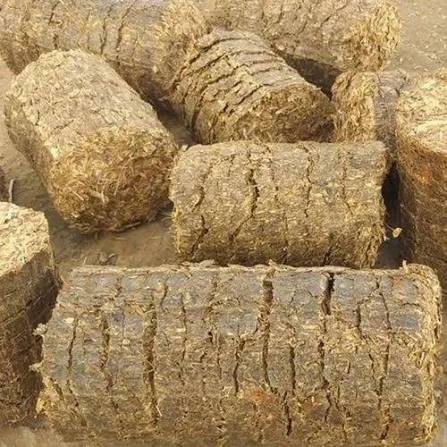
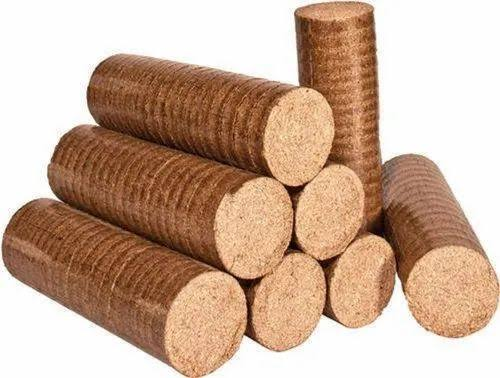
Mustard and sawdust briquettes for compatible industrial boilers and heating systems.
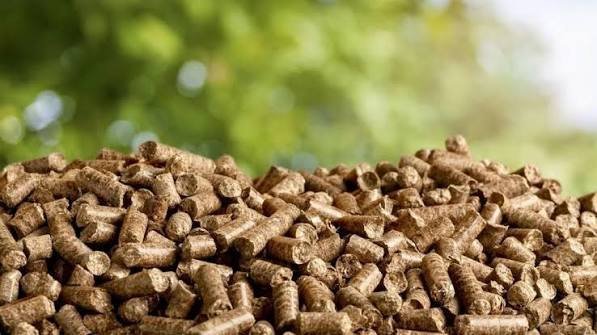 02 / PELLETS
Pellet fuel options for industrial applications and automated fuel feeding systems.
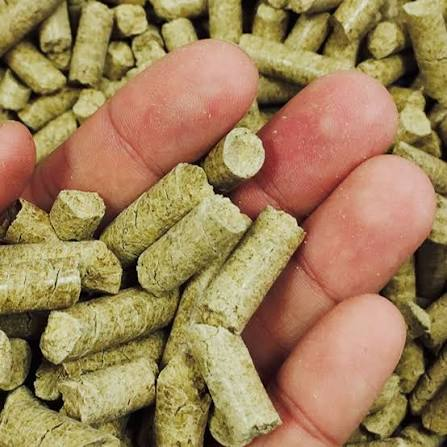 03 / RICE HUSK PELLETS
Pellets made from rice husk for industrial heating in compatible biomass boilers and combustion systems.
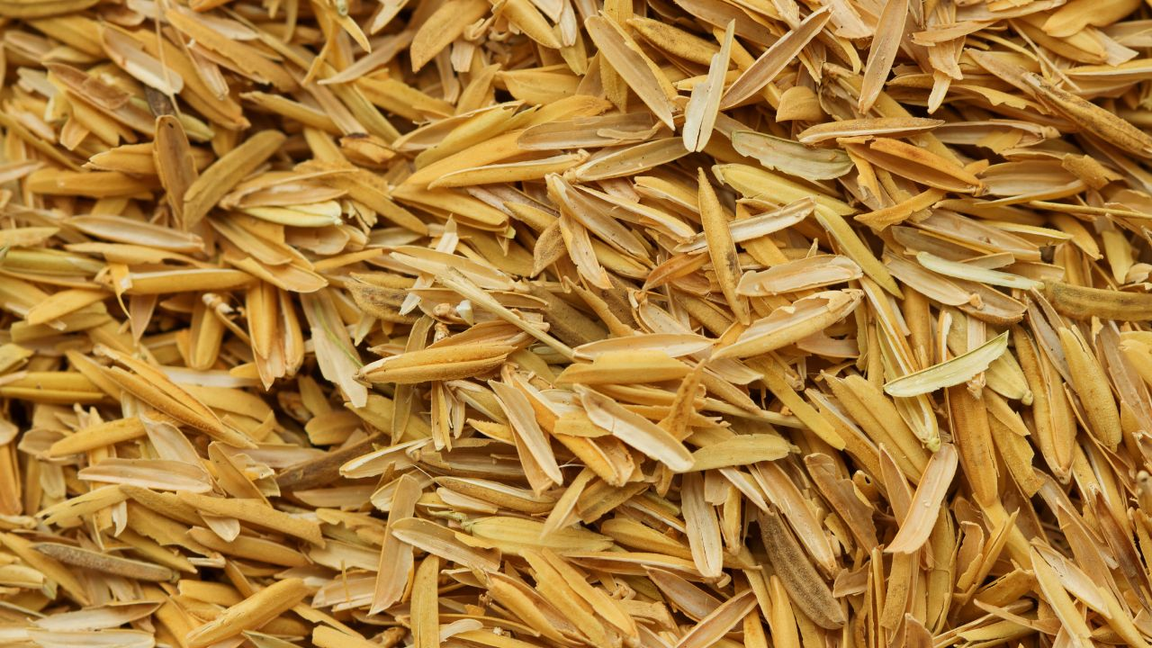 RICE HUSK
Rice husk obtained from rice milling, supplied in loose form for industrial heating and steam generation in compatible biomass boilers and combustion systems.
 04 / BIOMASS FUEL
Cashew DOC is listed as a biomass fuel for compatible industrial boilers and heating systems.
05 / SOLID BIOMASSWood chips, rice husk and selected agricultural residues may be considered where the boiler and handling arrangement support them.
Fuel quality, delivery and handling should be reviewed together with the boiler and operating conditions.
Agree fuel type, size, moisture, ash and calorific-value requirements. Keep the test basis and sample date with any laboratory result.
Share destination, monthly quantity, delivery frequency, unloading arrangements and available storage before confirming a supply schedule.
Plan covered, dry storage and appropriate separation from heat or ignition sources under the site safety plan. Avoid mixing unverified batches.
Review quantity, visible condition, identification and agreed acceptance tests. Raise a quality variation before mixing it into existing stock.
Open a question below. For advice on your plant, share your requirements with our team.
Compare heat value, moisture, ash, size, delivered cost and local availability against your furnace and feeding system. Share your equipment details if you need help choosing.
Yes. Rice Husk is the loose by-product of rice milling. Rice Husk Pellets are densified fuel. Their handling and feeding needs differ, so compatibility should be checked.
No. A report describes the sample tested. Confirm the specification for your supply and request a batch-specific report where available.
Send the fuel type, required quantity, delivery location, size or quality requirements and delivery frequency. Include boiler and feeder details where possible.
Compare delivered cost for the same useful heat or steam output, including handling and ash costs. A lower price per kilogram may not mean a lower overall operating cost.